Fayetteville, AR · Washington County
Attic Water Extraction in Fayetteville, ARWet Attic Insulation Removal & Attic Moisture Inspection
Attic Water Extraction in Fayetteville covers attic leak water cleanup, wet attic insulation removal and attic drying services.
Answered 24/7
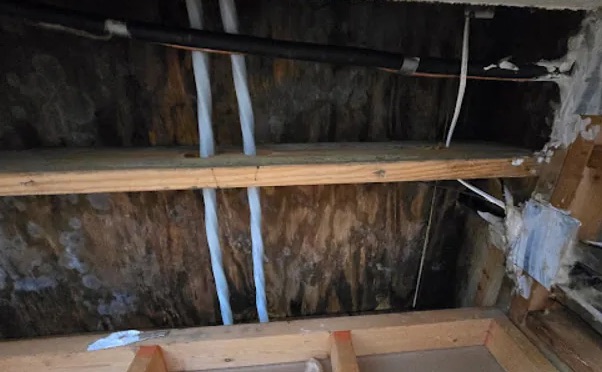
Local Attic Water Extraction Services in Washington County
Attic Water Extraction in Fayetteville usually follows one of three events. A storm damaged the roof, a pipe or water heater failed in the attic, or an AC drain pan overflowed.
In Fayetteville, Farmington, Springdale and Tontitown, attic leaks often go unnoticed until a ceiling stains. The pros get the water and wet insulation out before the ceiling has to be replaced.
Detailed Attic Water Extraction Offerings in Fayetteville
Wet Attic Insulation Removal
Soaked insulation holds water like a sponge and keeps the ceiling below wet. It is bagged and removed so the area underneath can dry.
Attic Moisture Inspection
Readings taken at each visit show drying progress and give you a record for your insurer.
Ceiling Water Damage Cleanup
A ceiling holding water is punctured in a controlled way to drain it into buckets, then the soaked section is cut out.
Emergency Attic Water Extraction
Emergency extraction in an attic starts with catching active drips, then pulling pooled water from between joists with wet vacs and pumps.
Attic Drying Services
Drying runs until wood framing and ceiling drywall reach normal readings. Equipment is moved as each area dries.
Detecting the Need for Attic Water Extraction in Your Attic
Damp Attic Insulation
Insulation that feels damp, looks matted or has dark patches has been soaking up water.
Musty Odors From Attic
A musty smell from the attic hatch or upstairs rooms often points to wet insulation or wood.
Peeling Paint or Wallpaper
Paint that bubbles or peels on upstairs ceilings often has water behind it.
Condensation on Attic Surfaces
Droplets or damp patches on the underside of the roof decking point to a moisture and ventilation problem.
How Attic Water Extraction Works in Fayetteville
Step 1: Attic Leak Source Identification
The pros trace the water to the roof, a pipe or the AC pan and stop it with a tarp or shut-off.
Step 2: Flooded Attic Cleanup
Water, wet debris and fallen insulation are removed, and stored items are moved out of the attic.
Step 3: Structural Drying Setup
Equipment is placed to dry the framing and decking, with the room below checked and dried too.
Step 4: Attic Mold Prevention Treatment
Once dry, wood that stayed wet for days can be cleaned and treated with an antimicrobial.
Frequent Sources of Attic Leaks in Fayetteville
Plumbing Leaks in Attic
Supply lines and water heaters in the attic can leak or burst onto the ceiling below.
Skylight or Chimney Flashing Failure
Worn flashing around skylights and chimneys lets rain run down into the attic.
Roof Leaks From Storm Damage
Wind and hail can lift or break shingles, letting rain reach the decking and the attic floor.
Attic Appliance Malfunction
Water heaters, humidifiers and other attic equipment can fail and leak with no warning.
Attic Water Extraction Across Property Types in Fayetteville
Residential Attic Water Extraction
In two-story homes, attic leaks can reach upstairs ceilings and run down into walls. Each wet area is checked with a meter and dried.
Commercial Attic Water Extraction
Flat-roof buildings often have leaks that travel far before they drip. The water path above the ceiling is traced so no wet section is missed.
The Risks of DIY Attic Water Extraction in Fayetteville
A fan in the bedroom below will not dry the attic. Wet wood and insulation need equipment in the attic itself and readings to confirm they are dry.
Understanding Attic Water Extraction Cost in Fayetteville
In Fayetteville, insulation removal and replacement are often the largest part of an attic job, along with drying equipment and ceiling repair.
Extent of Water Damage
More water and a larger wet area mean more extraction time and more drying equipment.
Type of Water Involved
Clean rainwater is simpler to remove than water from a drain line or a dirty source.
Material Removal Needs
Wet insulation and ceiling drywall that must be removed add labor and disposal costs.
Does Insurance Cover Attic Water Extraction?
Damage to the ceiling and rooms below an attic leak is usually part of the same claim. Show the adjuster both spaces.
Advantages of Hiring Local Pros for Attic Water Extraction in Fayetteville
Industry Extraction Standards
Extraction and drying follow industry water damage standards, with readings at every visit.
Advanced Moisture Detection
Moisture meters and thermal cameras find wet insulation and wood that look dry.
Wet Insulation Handling
Wet insulation is bagged and removed without spreading debris into the living space.
24/7 Emergency Attic Water Extraction in Fayetteville
Night, weekend or holiday, local water removal experts handle attic water in Fayetteville. Call (479) 370-1500 to get the water out and the ceiling protected.
Call Now (479) 370-1500Attic Water Extraction Near Fayetteville: Areas Served
Besides Fayetteville, local water removal experts remove attic water, wet insulation and soaked ceilings in nearby Farmington, Springdale and Tontitown.
- Attic Water Extraction in Farmington
- Attic Water Extraction in Springdale
- Attic Water Extraction in Tontitown
- Attic Water Extraction in Elkins
- Attic Water Extraction in West Fork
- Attic Water Extraction in Prairie Grove
- Attic Water Extraction in Lowell
- Attic Water Extraction in Cave Springs
- Emergency Damage Restoration in 72701
- Storm Damage Restoration in 72701
- Water Damage Restoration in 72701
- Water Extraction Service in 72701
- Water Leak Detection in 72701
- Water Removal Service in 72701
- Emergency Damage Restoration in 72702
- Storm Damage Restoration in 72702
Common Attic Water Extraction Questions Answered
What happens during ceiling water damage cleanup?
Water in the ceiling is drained, sagging drywall is removed, debris is cleared and the cavity is dried before repairs.
What is the purpose of attic mold prevention?
To slow microbial growth on wood that stayed wet, by drying it quickly and treating it with an antimicrobial if needed.
Does a roof leak always cause attic water damage?
Almost always some. Even a small leak wets the decking and insulation, which should be checked and dried.
How long does the attic drying process take?
Often several days, depending on how wet the wood is, the attic temperature and how much insulation was removed.
Can I remove attic water myself?
Small drips onto plastic can be handled, but pooled water and soaked insulation need safe footing, equipment and drying.