Kansas, OK · Delaware County
Attic Water Removal in Kansas, OKAttic Leak Water Cleanup & Wet Attic Insulation Removal
Attic Water Removal in Kansas covers attic leak water cleanup, roof leak water removal and wet attic insulation removal.
Answered 24/7
Local Attic Water Removal Solutions in Kansas
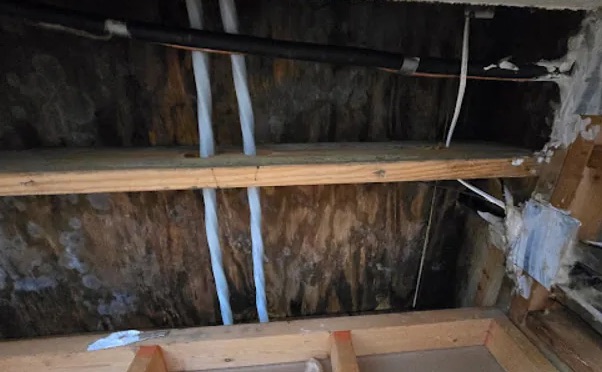
Attic leaks that run for a long time in Kansas can rot roof decking and rust fasteners. Even after the roof is fixed, that wood stays wet unless it is dried.
Homes in Kansas and nearby Colcord, Siloam Springs and Jay often have AC units, ducts and plumbing in the attic, as well as insulation. The pros handle water from any of those sources, plus roof leaks after storms.
Attic Water Removal Services in Kansas
Attic Leak Water Cleanup
Water-stained debris, wet cardboard and soaked stored items are cleared out so the attic floor can be dried.
Wet Attic Insulation Removal
Insulation that got soaked is removed from the wet bays and bagged. Leaving it in place keeps the ceiling drywall damp for weeks.
Roof Leak Water Removal
A temporary tarp over the damaged section keeps more rain out until the roofer can make a permanent repair.
Attic Drying Services
Drying continues until rafters, decking and ceiling drywall reach normal moisture readings, which is often several days.
Attic Moisture Inspection
Moisture meters and thermal cameras check rafters, decking, insulation and the ceiling below, even in spots that look dry.
When to Consider Attic Water Removal in Kansas
Puddles or Standing Water in Attic
Pooled water on the attic floor or on top of drywall needs removal right away.
Sagging or Bubbling Ceiling Drywall
Ceiling drywall that sags, bulges or bubbles at the seams is holding water and may fall.
Peeling Paint on Ceilings or Walls
Paint that peels or blisters on upstairs ceilings and walls often has water behind it.
Wet or Damp Attic Insulation
Insulation that feels damp, looks dark or has packed down in one area has absorbed water.
How Attic Water Removal Works in Kansas
Step 1: Initial Attic Water Damage Assessment
The pros check safety, find the source and map the wet area with moisture meters.
Step 2: Bulk Water and Material Removal
Pooled water, soaked insulation and any sagging drywall are removed from the attic and ceiling.
Step 3: Attic Drying and Evaporation
Warm, dry airflow is aimed at wet wood, with dehumidifiers removing the moisture it releases.
Step 4: Attic Mold Prevention
Once dry, decking and framing that stayed wet can be cleaned and treated with an antimicrobial.
Why Attics Develop Water Damage
Condensation From Poor Attic Ventilation
Moist air from the house condenses on roof decking when attic ventilation is poor.
Appliance Malfunctions Like Water Heater Leaks
Water heaters located in the attic can leak or fail, flooding the attic floor.
Roof Leaks From Damaged Shingles
Cracked, missing or lifted shingles let rain reach the decking and drip into the attic.
Burst or Leaking Plumbing Pipes
Supply lines and drain pipes in the attic can crack or burst onto the ceiling.
Attic Water Removal for All Property Types in Kansas
Residential Attic Water Removal
In houses, attic water usually reaches a bedroom or hallway ceiling. Water and wet insulation are removed from above, and the ceiling below is dried or replaced.
Commercial Attic Water Removal
In commercial buildings, water above a drop ceiling soaks tiles and insulation over several rooms. Wet tiles are removed and the plenum space above is dried.
The Risks of DIY Attic Water Removal in Kansas
If you can do it safely, look into the attic with a flashlight to find the wet area. Removing soaked insulation and drying the framing needs boards, protective gear and equipment.
Understanding Attic Water Removal Pricing
The cost of attic water removal in Kansas depends on how far the water spread, how much insulation is wet and whether ceiling drywall below must be replaced.
Type of Insulation Affected
Blown-in insulation takes more time to remove than batts, and both add disposal costs.
Access and Attic Complexity
Low headroom and small access hatches make attic work slower than open spaces.
Water Contamination Level
Clean rainwater is simpler to handle than water from a drain line or other dirty source.
Does Insurance Cover Attic Water Removal?
Insurers often ask what caused the leak and how long it ran. Notes on the entry point and roof condition help answer those questions.
Why Choose Local Pros for Attic Water Removal in Kansas
Dehumidification Equipment
Dehumidifiers sized for the attic remove moisture much faster than roof vents and open hatches alone.
Mold Inhibitor Application
Wood that stayed wet can be treated with an antimicrobial after it is dried.
Post-Cleanup Verification
Final readings confirm the attic is dry before new insulation goes in.
24/7 Attic Water Removal Response in Kansas
Wet insulation keeps the ceiling soaking every hour it stays. Call (479) 370-1500 for attic water removal in Kansas as soon as you see a stain or drip.
Call Now (479) 370-1500Attic Water Removal Service Area Around Kansas
Attic water removal and drying also cover homes and buildings in Colcord, Siloam Springs and Jay, close to Kansas, day or night.
- Attic Water Removal in Colcord
- Attic Water Removal in Siloam Springs
- Attic Water Removal in Jay
- Attic Water Removal in Gentry
- Attic Water Removal in Westville
- Attic Water Removal in Salina
- Attic Water Removal in Locust Grove
- Attic Water Removal in Tahlequah
- Emergency Damage Restoration in 74347
- Storm Damage Restoration in 74347
- Water Damage Restoration in 74347
- Water Extraction Service in 74347
- Water Leak Detection in 74347
- Water Removal Service in 74347
Attic Water Removal Questions and Answers
How quickly should I deal with water in my attic?
Right away. Water on top of ceiling drywall soaks in and adds weight, and the ceiling can sag or fall within a day.
What is an attic moisture inspection?
A check of rafters, decking, insulation and the ceiling below with moisture meters and thermal cameras to find all wet areas.
Can I remove attic water myself?
Only small amounts that are easy to reach safely. Pooled water and soaked insulation need safe footing and drying equipment.
What is involved in attic water removal?
Stopping the source, removing pooled water, bagging wet insulation, drying the framing and decking, and checking the ceiling below.
What should I do while waiting for attic leak water cleanup?
Catch drips, move belongings, stay out from under sagging ceilings and turn off power to wet light fixtures.