Fayetteville, AR · Washington County
Black Water Extraction (Category 3) in Fayetteville, ARStorm Sewer Flood Water Removal & Flooded Basement Sewage Cleanup
Black Water Extraction (Category 3) in Fayetteville includes septic tank backup cleanup, storm sewer flood water removal and black water drying.
Answered 24/7
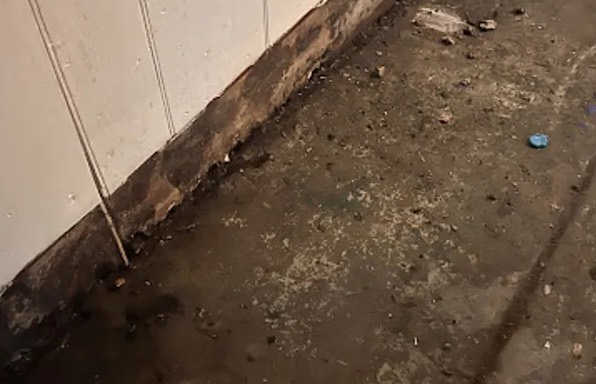
Local Black Water Extraction (Category 3) Services in Fayetteville
Category 3 water, often called black water, is water that carries sewage, bacteria or other serious contaminants. In Fayetteville, it most often comes from sewer backups, septic overflows, toilet overflows and outside floodwater.
In Fayetteville, many black water calls start with a floor drain or toilet backing up. Local category 3 water removal experts serve Fayetteville, Farmington, Springdale and Tontitown, containing the area and cleaning it safely.
Complete Black Water Extraction (Category 3) Protocols in Fayetteville
Storm Sewer Flood Water Removal
Outside floodwater that enters a garage or ground floor is handled as contaminated. Porous materials it touched are removed.
Flooded Basement Sewage Cleanup
Sewage or floodwater in a basement is pumped out, contaminated drywall, carpet and insulation are removed, and concrete and framing are disinfected.
Sewage Damage Report for Insurance
Documentation starts before cleanup, with photos of the water level and affected rooms, and continues through final drying.
Sewage Backup Water Extraction
Sewage that backs up through floor drains, toilets or tubs is extracted with protective gear, and the area is sealed off from clean rooms.
Toilet Overflow Water Removal
Toilet water that has spread across a floor is treated as contaminated. It is extracted, and floors, baseboards and lower walls are disinfected.
Signs of Black Water Contamination in Fayetteville Homes
Persistent Dampness After Flood
Areas that stay damp and smell after a flood still hold contaminated water in floors or walls.
Discolored Water From Appliances
Dark, smelly water from a washer or dishwasher drain can mean a drain line backup.
Sewer Line Backup in Home
Several drains gurgling or backing up at once usually means the main sewer line is blocked.
Toilet Overflow Spreading Water
Toilet water spreading across the bathroom floor is treated as contaminated, even if it looks clear.
How Black Water Extraction (Category 3) Works in Fayetteville
Step 1: Site Safety Containment
Plastic sheeting seals the work area, and air pressure is controlled to keep odors in.
Step 2: Sewage Removal and Extraction
Wastewater is pumped and extracted, and contaminated carpet, pad and drywall are bagged.
Step 3: Cleaning and Disinfection
Remaining framing, concrete and hard surfaces are scrubbed clean and then disinfected.
Step 4: Moisture Mapping and Documentation
Readings are taken across the area, and photos and logs are kept for insurance.
How Category 3 Water Damage Occurs in Fayetteville
Sanitary Sewer Overflow
An overloaded municipal sewer can back up into homes during heavy rain.
Appliance Drain Line Leak
A blocked washer or dishwasher drain can push dirty water back onto the floor.
Improper Waste Disposal
Flushing wipes, grease and other items that do not break down leads to clogs and backups.
Sump Pump Failure
A sump pump failure during a storm can let contaminated groundwater fill the basement.
Black Water Extraction (Category 3) for All Property Types in Fayetteville
Residential Black Water Extraction (Category 3)
Families with young children, older adults or anyone with health concerns should stay out of affected areas until cleanup and disinfection are done.
Commercial Black Water Extraction (Category 3)
In medical, food-service and childcare buildings, black water cleanup must meet the health rules for those spaces before they reopen.
The Dangers of DIY Black Water Extraction (Category 3) and the Pros Alternative
Do not use a household vacuum or shop vac on sewage without proper protection, and never run fans on contaminated materials. Call (479) 370-1500 for safe extraction.
Black Water Extraction (Category 3) Cost in Fayetteville, AR
Sewer line or septic repairs are separate from cleanup. In Fayetteville, both are usually needed to prevent another backup.
Required Drying Time
Drying after cleanup can take several days, and each day adds equipment time.
Documentation Needs
Detailed documentation for insurance adds some time to the job but supports the claim.
Type of Materials Affected
Carpet, drywall and insulation touched by sewage must be removed, which adds labor and disposal.
Does Insurance Cover Black Water Extraction (Category 3)?
Photos, a list of removed materials and drying logs from the experts help support a sewage damage claim in Fayetteville.
Selecting Local Pros in Fayetteville for Your Black Water Extraction (Category 3) Needs
24/7 Emergency Response
Help is available day or night, because sewage backups cannot wait until business hours.
Detailed Damage Documentation
Photos, readings and removal lists are kept to support your insurance claim.
Drying Process
Drying starts only after cleaning and disinfection, so contamination is not left in place.
24/7 Black Water Extraction (Category 3) for Fayetteville Emergencies
Toilet or floor drain overflowing with sewage? Keep children and pets away and call (479) 370-1500 now for black water extraction (category 3) in Fayetteville.
Call Now (479) 370-1500Local Black Water Extraction (Category 3) Coverage for Fayetteville and Vicinity
Besides Fayetteville, the experts handle sewage cleanup, contaminated carpet removal and disinfection in nearby Farmington, Springdale and Tontitown.
- Black Water Extraction (Category 3) in Farmington
- Black Water Extraction (Category 3) in Springdale
- Black Water Extraction (Category 3) in Tontitown
- Black Water Extraction (Category 3) in Elkins
- Black Water Extraction (Category 3) in West Fork
- Black Water Extraction (Category 3) in Prairie Grove
- Black Water Extraction (Category 3) in Lowell
- Black Water Extraction (Category 3) in Cave Springs
- Emergency Damage Restoration in 72701
- Storm Damage Restoration in 72701
- Water Damage Restoration in 72701
- Water Extraction Service in 72701
- Water Leak Detection in 72701
- Water Removal Service in 72701
- Emergency Damage Restoration in 72702
- Storm Damage Restoration in 72702
Common Black Water Extraction (Category 3) Questions Answered
Is sewage backup cleanup dangerous?
It can be. Sewage carries bacteria and viruses, so cleanup needs protective gear, containment and disinfection.
Can carpet be saved after contaminated water exposure?
Usually not. Carpet and pad soaked by sewage or floodwater are removed and discarded for safety.
What happens to removed contaminated materials?
They are bagged and disposed of according to local rules, and the removed items are listed for insurance.
What safety measures are used during extraction?
Protective gear, plastic containment, controlled air pressure and air scrubbers to keep contamination in the work area.
How quickly should black water extraction begin?
Right away. Contaminated water soaks into porous materials and spreads odor and bacteria the longer it sits.