Harrison, AR · Boone County
Concrete Water Damage Restoration in Harrison, ARFlooded Garage Concrete Cleanup & Concrete Crack Seepage Repair
Concrete Water Damage Restoration in Harrison covers concrete slab water extraction, concrete foundation drying and flooded garage concrete cleanup.
Answered 24/7
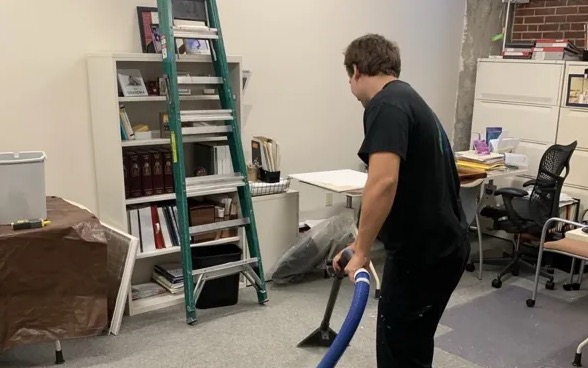
Concrete Water Damage Restoration You Can Trust in Harrison
Outdoor concrete in Harrison, like driveways, patios and pool decks, usually dries on its own. The trouble starts when that concrete slopes toward the house and sends water inside.
Property owners in Harrison can call (479) 370-1500 day or night when water reaches a slab floor or garage. Service also covers Green Forest, with the same steps.
Available Concrete Water Damage Restoration Solutions for Harrison
Flooded Garage Concrete Cleanup
Garage water from a water heater or washer, or rain under the door, often reaches the drywall at the base of the walls. It is checked and dried.
Concrete Crack Seepage Repair
Drying the area around a seeping crack only lasts if the crack is sealed, so the source is always noted.
Concrete Foundation Drying
Water that soaked the foundation walls or slab edge from inside is dried, along with the sill plates and wall bases resting on it.
Patio Slab Drying Services
Patio slabs dry on their own outdoors, but water running from a patio under a door is extracted and the interior floor and walls are dried.
Driveway Water Damage Restoration
Cracked or sunken driveway sections that send water toward the house are noted for a concrete contractor.
Signs You Need Concrete Water Damage Restoration in Harrison
Standing Water on Concrete Slabs
Standing water on a slab floor or garage needs extraction before it soaks into flooring and wall bases.
Visible Algae or Moss Mold
Algae or moss on walkways and patios shows areas that stay wet and may drain toward the house.
Efflorescence on Concrete Surfaces
White, powdery deposits on concrete show water moving through it and leaving minerals behind.
Mold or Mildew on Slab Edges
Dark spots along slab edges and baseboards mean water has been sitting there for days.
How Concrete Water Damage Restoration Works in Harrison
Step 1: Initial Damage Documentation
Photos record the water, the slab and any cracks or drainage problems before work begins.
Step 2: Bulk Water and Debris Removal
Water, mud and debris are cleared from slab floors, garages and entries before drying starts.
Step 3: Structural Drying Techniques
Drying equipment is aimed at the concrete and the wood resting on it until readings drop.
Step 4: Sanitization and Mold Prevention
Surfaces touched by dirty water are cleaned, and wall bases that stayed wet can be treated.
Frequent Sources of Water Damage in Harrison
Heavy Rainfall and Surface Flooding
Heavy rain and surface flooding can push water across concrete and under doors.
Crack Expansion From Settlement
Settling soil cracks slabs and walkways, opening paths for water to enter.
Plumbing Leaks Under Slabs
Leaking pipes under the slab push water up through cracks and into flooring.
Appliance Malfunctions in Garages
Water heaters, washers and AC drains in garages leak onto the concrete floor.
Residential & Commercial Concrete Water Damage Restoration in Harrison
Residential Concrete Water Damage Restoration
Homeowners often notice water first at the garage or a patio door. The interior is dried and the outside cause is noted.
Commercial Concrete Water Damage Restoration
Property managers with walkways and parking areas get written notes on drainage problems that send water toward their buildings.
Concrete Water Damage Restoration vs DIY in Harrison
Do not lay new flooring over concrete that got wet until it has been checked with a meter. Many floor coverings fail on damp concrete.
Factors in Concrete Water Damage Restoration Pricing in Harrison
The pros take readings on the slab and wall bases before pricing concrete water damage restoration in Harrison, then explain what will be lifted and dried.
Preventive Measures
Drainage and crack repairs by contractors are separate from water removal and drying.
Contaminant Presence
Water from drains, sewers or outside floods needs cleaning and disinfection before drying.
Water Depth and Saturation
Water that soaked deep into concrete takes longer to dry than water caught on the surface.
Does Insurance Cover Concrete Water Damage Restoration?
Repairs to driveways, patios and walkways are usually treated separately from interior water damage. Ask your adjuster how your policy handles each.
Why Choose Local Pros for Concrete Water Damage Restoration in Harrison
Mold Prevention Focus
Wall bases and sill plates that stayed wet can be treated with an antimicrobial after drying.
Damage Documentation
Photos, readings and drying logs are kept to support your insurance claim.
24/7 Emergency Response
Help is available day or night when water is spreading across a slab floor or garage.
Round-the-Clock Concrete Water Damage Restoration in Harrison
Garage flooded by a water heater or storm? Call (479) 370-1500 now for concrete water damage restoration in Harrison before water reaches the house.
Call Now (479) 370-1500Concrete Water Damage Restoration Serving Harrison and Beyond
The places below are also served, and each one has its own page.
- Concrete Water Damage Restoration in Green Forest
- Concrete Water Damage Restoration in Berryville
- Concrete Water Damage Restoration in Hollister
- Concrete Water Damage Restoration in Branson
- Concrete Water Damage Restoration in Forsyth
- Concrete Water Damage Restoration in Reeds Spring
- Concrete Water Damage Restoration in Huntsville
- Concrete Water Damage Restoration in Eureka Springs
- Emergency Damage Restoration in 72601
- Storm Damage Restoration in 72601
- Water Damage Restoration in 72601
- Water Extraction Service in 72601
- Water Leak Detection in 72601
- Water Removal Service in 72601
- Emergency Damage Restoration in 72602
- Storm Damage Restoration in 72602
FAQ for Concrete Water Damage Restoration Services
Why is concrete foundation drying important?
Sill plates and wall bases resting on wet concrete stay damp until the concrete dries, which can lead to rot and odors.
How is concrete mold prevention achieved after water damage?
By drying the slab and the materials on it quickly and treating wall bases and sill plates that stayed wet.
What happens during concrete slab water removal for a garage?
Stored items are moved, water is extracted, the slab and wall bases are dried and oil or debris is cleaned up.
How does concrete slab water extraction work?
Standing water is pumped or extracted, flooring that traps water is lifted, and the slab is dried with dehumidifiers and air movers.
What tools are used for concrete moisture inspection?
Concrete moisture meters, hygrometers and sometimes thermal cameras to check slabs, wall bases and flooring.