Fayetteville, AR · Washington County
Desiccant Dehumidification in Fayetteville, ARFirefighting Water Drying & Crawl Space Drying
Get desiccant dehumidification in Fayetteville for emergency dehumidification, flood drying services and firefighting water drying.
Answered 24/7
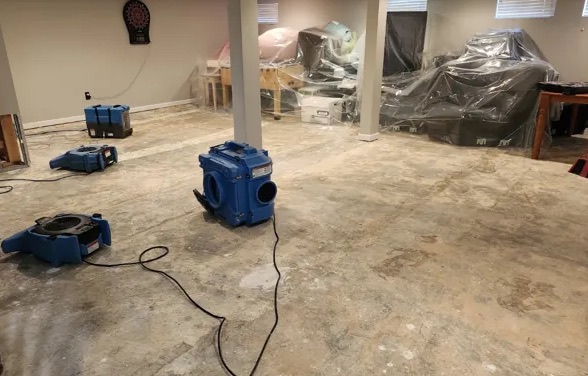
Desiccant Dehumidification: Moisture Control in Fayetteville
After a fire in Fayetteville, the water used to put it out soaks rooms well beyond the burned area. That water needs to come out before rebuilding.
In Fayetteville, Farmington, Springdale and Tontitown, builders sometimes need slabs and drywall dried before flooring goes in. The pros lower humidity on the job site to speed that up.
Specialized Desiccant Dehumidification in Fayetteville, AR
Firefighting Water Drying
Firefighting water can soak several rooms at once. Large drying setups remove that moisture so repairs can begin.
Crawl Space Drying
Crawl spaces are cool and damp, which suits desiccant units. Dry air is pushed in to pull moisture from the joists and subfloor.
Flood Drying Services
Floodwater is treated as contaminated, so soaked porous materials are removed and surfaces cleaned before drying starts.
Emergency Dehumidification
Emergency dehumidification starts as soon as standing water is removed, which limits swelling, warping and odor.
Construction Drying Services
Readings on slabs and framing show when materials are dry enough for the next stage of work.
Symptoms Requiring Desiccant Dehumidification in Fayetteville
High Humidity Readings on Meter
A hygrometer that keeps reading high humidity days after a leak shows the space is not drying.
Peeling Paint or Wallpaper
Paint or wallpaper that peels after a leak has moisture behind it that has not dried.
Recent Water Damage Event
Any recent leak or flood that soaked drywall, flooring or framing needs drying beyond a household unit.
Musty Smell in Stored Items
Boxes and fabrics that smell musty show the space has stayed damp too long.
How Desiccant Dehumidification Works in Fayetteville
Step 1: Initial Damage Inspection
Humidity and moisture readings are taken across the affected area to set the drying plan.
Step 2: Deployment of Drying Equipment
Desiccant or standard dehumidifiers and air movers are placed based on the space and readings.
Step 3: Monitored Drying Cycle
Readings are logged daily, and equipment is moved or adjusted as each material dries.
Step 4: Completion and Clearance
Final readings confirm materials are dry, and the space is cleared for repairs.
Origins of Dampness and Desiccant Dehumidification in Fayetteville Buildings
HVAC System Condensation Issues
Clogged AC drain lines overflow into attics, closets and the ceilings below them.
New Construction Moisture Trapped
New concrete, drywall mud and framing on job sites hold moisture until they are dried.
Groundwater Rise After Heavy Rains
Groundwater rising after long rains keeps crawl spaces and lower levels damp.
Roof Leaks From Damaged Shingles
Roof leaks from damaged shingles soak attic insulation, roof decking and the ceilings below.
Residential and Commercial Desiccant Dehumidification in Fayetteville
Residential Desiccant Dehumidification
Families can usually stay home during drying, though equipment makes steady noise and some areas may be closed off.
Commercial Desiccant Dehumidification
Builders and contractors use desiccant drying to get slabs and drywall ready for flooring and paint on schedule.
Professional Desiccant Dehumidification or DIY in Fayetteville?
Rented desiccant units need correct setup and ducting to work well. If you are unsure how to place them or when materials are dry, call (479) 370-1500.
Understanding Desiccant Dehumidification Expenses in Fayetteville
Flood cleanup, crawl space access, material removal and after-hours setup all add to the total for desiccant dehumidification in Fayetteville.
Affected Area Size
Larger affected areas need more drying units and more air movers running at once.
Access and Complexity
Crawl spaces, tight areas and large buildings take more effort to set up and monitor.
Number of Dehumidifiers
The number and size of dehumidifiers needed for the space is a major part of the cost.
Does Insurance Cover Desiccant Dehumidification?
Daily humidity and moisture logs from local moisture removal pros help support an insurance claim for drying after water damage in Fayetteville.
The Value of Local Pros for Desiccant Dehumidification in Fayetteville
Desiccant Equipment
Desiccant units are used where they fit, such as cool spaces, crawl spaces and large buildings.
Prevention of Mold
Fast, complete drying is one of the main ways to keep mold from starting after water damage.
Industry Drying Standards
Drying follows industry water damage standards, with readings taken at every visit.
Emergency Desiccant Dehumidification Response for Fayetteville
Crawl space or lower level wet after a storm? Call (479) 370-1500 now for desiccant dehumidification in Fayetteville before the framing stays damp.
Call Now (479) 370-1500Desiccant Dehumidification Service Area Including Fayetteville
Drying after water damage also covers homes, job sites and businesses in Farmington, Springdale and Tontitown, close to Fayetteville.
- Desiccant Dehumidification in Farmington
- Desiccant Dehumidification in Springdale
- Desiccant Dehumidification in Tontitown
- Desiccant Dehumidification in Elkins
- Desiccant Dehumidification in West Fork
- Desiccant Dehumidification in Prairie Grove
- Desiccant Dehumidification in Lowell
- Desiccant Dehumidification in Cave Springs
- Emergency Damage Restoration in 72701
- Storm Damage Restoration in 72701
- Water Damage Restoration in 72701
- Water Extraction Service in 72701
- Water Leak Detection in 72701
- Water Removal Service in 72701
- Emergency Damage Restoration in 72702
- Storm Damage Restoration in 72702
Desiccant Dehumidification Information: Your Questions
Can desiccant dehumidification dry behind walls?
Dry air helps, especially when directed into wall cavities through small openings, with readings to confirm results.
What is involved in basement dehumidification after a flood?
Removing water, placing dehumidifiers and air movers and running them until concrete and framing read dry.
What are the benefits of construction drying services?
Drying slabs and drywall on schedule so flooring and finishes are not installed over damp materials.
What is desiccant dehumidification used for?
Drying spaces after water damage where standard dehumidifiers struggle, such as cool crawl spaces, large buildings and dense materials.
How does a desiccant dehumidifier work differently?
It passes air over a material that absorbs moisture instead of cooling the air, so it keeps working in cool conditions.