
Trusted by 165+ Homeowners
Does Bleach Kill All Bacteria In Sewage?
- Over 168 5-Star Reviews
- Free Estimates and Quotes
- 100% Satisfaction Guaranteed
- Child, Family & Pet Safe Steps
- 24-Hour Emergency Service
- Fully Licensed & Insured

No, bleach does not kill all bacteria in sewage.
While bleach is a powerful disinfectant, it has limitations and may not eliminate every single pathogen present in sewage water.
TL;DR
- Bleach is a strong disinfectant but cannot kill every single bacteria or virus in sewage.
- Sewage contains a complex mix of harmful microorganisms that require specialized treatment.
- Improper handling of sewage can lead to serious health risks and environmental contamination.
- Professional restoration services use advanced methods to safely and effectively clean and disinfect sewage-affected areas.
- Always prioritize safety and call experts when dealing with sewage damage.
Does Bleach Kill All Bacteria in Sewage?
It’s a common question, especially after a sewage backup or flood. You might think that strong chemicals like bleach are the magic bullet for any contamination. While bleach is a potent disinfectant, the reality of sewage is a bit more complex. Research and found that sewage is a cocktail of many different types of bacteria, viruses, and other pathogens. Bleach can kill many of them, but it’s not a guarantee for all. Some hardy microorganisms can survive even strong chemical treatments.
The Limits of Household Bleach
Think of bleach like a strong cleaner for your kitchen sink. It can handle most everyday grime. But sewage is like a biohazard zone. It contains a wide array of dangerous microbes. Many of these are resistant to common disinfectants. The effectiveness of bleach also depends heavily on concentration and contact time. In a messy sewage situation, achieving the right conditions for bleach to work effectively is very difficult. You also have to consider the surfaces it’s on. Bleach might disinfect standing water, but what about porous materials?
What’s Really in Sewage?
Sewage water isn’t just dirty water. It’s a complex mixture of human waste, chemicals, and potentially medical waste. This means it can harbor bacteria like E. coli and Salmonella. It also contains viruses such as Hepatitis A. Parasites like Giardia are also a concern. These harmful microorganisms pose serious health risks. Exposure can lead to severe gastrointestinal illnesses and other infections.
Why Bleach Isn’t Enough
When dealing with sewage, the goal isn’t just to kill some bacteria. The goal is to eliminate all dangerous contaminants. Bleach might reduce the number of pathogens, but it doesn’t sterilize the area. This leaves behind a residual risk. Furthermore, bleach can sometimes react with other substances in the sewage. This can create even more toxic fumes. It’s why professionals use specific cleaning agents and protocols.
The Dangers of DIY Sewage Cleanup
Many homeowners consider cleaning up sewage themselves. This is understandable, but it’s a path fraught with danger. The risks of contaminated water are significant. Without proper protective gear and knowledge, you can easily expose yourself and your family to severe illnesses. Think about the potential for serious health risks from even minor contact. Is it really worth the gamble?
When to Call the Professionals
Sewage cleanup is not a DIY job. It requires specialized equipment and training. Professionals have access to industrial-grade disinfectants and cleaning solutions. They also use advanced drying and air-purification systems. This ensures that the area is not only cleaned but also properly dried and sanitized. This helps prevent secondary issues like mold growth. For safe cleanup after sewage, professional help is essential.
Protecting Your Belongings
When sewage contaminates your home, your belongings are also at risk. Items like carpets and area rugs can absorb a lot of this contaminated water. Trying to clean them with household products is often ineffective and can even spread the contamination further. For instance, can you save your carpet after a sewage leak? Sometimes, but it requires professional cleaning and sanitization. The same applies to your favorite area rug. It’s often best to let experts assess the damage and determine the safest course of action.
The Science Behind Disinfection
Disinfection is about more than just surface cleaning. It involves breaking down the cellular structure of microorganisms. Different disinfectants work in different ways. Bleach, for example, oxidizes organic matter. However, some bacteria have protective layers or can enter dormant states. These make them harder to kill with standard methods. Mold is another common issue that arises from water damage, and bleach has its own limitations there too. Research shows that bleach may not penetrate porous materials like drywall effectively to kill mold roots.
Understanding Mold and Moisture
Water damage from sewage creates an ideal environment for mold. Even after the visible water is gone, moisture can remain trapped. This hidden moisture feeds mold growth. You might wonder, does bleach actually kill mold on drywall? While it can kill surface mold, it often doesn’t reach the roots embedded in porous materials. This means the mold can return. Understanding how moisture affects the drywall is key to preventing future problems. If you see damage showing on the drywall, it’s a sign of deeper issues.
The Persistence of Microbes
Some microorganisms are incredibly resilient. They can survive in harsh conditions for extended periods. This is why a comprehensive approach is needed for sewage remediation. It’s not just about killing what’s visible. It’s about ensuring that no harmful microbes are left behind. This is especially true for tougher problems like black mold. Many people ask, does bleach truly kill black mold forever? The answer is often no, especially if the mold has penetrated porous surfaces. It requires specific treatments to address the underlying conditions that trigger mold.
Professional Sewage Remediation Steps
When Rogers Damage Restoration Brothers handles a sewage cleanup, they follow a strict protocol. This involves several key steps:
- Assessment: Identifying the type of sewage (Category 1, 2, or 3) and the extent of contamination.
- Containment: Preventing the spread of contaminants to unaffected areas.
- Water Removal: Using powerful pumps and extraction equipment.
- Cleaning and Disinfection: Applying EPA-approved antimicrobial treatments.
- Drying: Employing industrial dehumidifiers and air movers.
- Odor Control: Neutralizing any lingering smells.
- Reconstruction: Repairing and restoring damaged materials.
This systematic process ensures a thorough and safe cleanup. It addresses not just the immediate problem but also prevents future issues.
When DIY Cleanup Goes Wrong
Attempting to clean sewage yourself can lead to a cascade of problems. You might think you’ve cleaned it up, but residual contamination can remain. This can cause ongoing health issues for your family. It can also lead to structural damage that worsens over time. If you’re facing a sewage issue, the safest and most effective solution is to call a professional right away. They have the expertise and tools to handle it properly.
The Importance of Professional Expertise
Professional restoration companies understand the science behind contamination. They know which products are effective against specific pathogens. They also know how to use them safely. This is crucial because improper use of cleaning chemicals can be dangerous. It’s important to not wait to get help when sewage is involved. The longer you wait, the more damage can occur, and the higher the health risks.
Preventing Future Contamination
Once a sewage issue is resolved, it’s wise to consider preventative measures. Ensure your plumbing system is in good working order. Check for any signs of potential leaks or blockages. Addressing small issues early can prevent major problems down the line. If you’re ever unsure about the safety of a situation, always get expert advice today. It’s better to be safe than sorry when it comes to your home and health.
Conclusion
While bleach is a common household cleaner and disinfectant, it is not a complete solution for sewage contamination. It cannot kill all the dangerous bacteria and viruses present in sewage water. The complex nature of sewage requires specialized cleaning and disinfection methods that only trained professionals can provide. For your safety and the integrity of your home, it is always best to leave sewage cleanup to the experts. Rogers Damage Restoration Brothers is a trusted resource for comprehensive sewage damage restoration. We are equipped to handle these challenging situations safely and effectively, ensuring your home is returned to a healthy state.
Can bleach kill viruses in sewage?
Bleach can kill many types of viruses, but its effectiveness against every virus in sewage is not guaranteed. The concentration of bleach, the type of virus, and the presence of organic matter can all affect its disinfecting power. For complete virus elimination in sewage, professional-grade disinfectants and methods are typically required.
What are the health risks of sewage exposure?
Exposure to sewage can lead to a wide range of health problems. These include gastrointestinal illnesses from bacteria like E. coli and Salmonella, parasitic infections like Giardia, and viral infections such as Hepatitis A. Skin infections and respiratory issues can also occur. It’s critical to avoid direct contact with sewage water.
How do professionals clean sewage damage?
Professionals use a multi-step process that includes containment, removal of contaminated materials, thorough cleaning with specialized disinfectants, and comprehensive drying. They employ industrial equipment and follow strict safety protocols to ensure all harmful contaminants are eliminated and the area is restored to a safe condition.
Can I use other household cleaners for sewage?
While some household cleaners might have disinfecting properties, they are generally not strong enough or formulated for the complex mix of contaminants found in sewage. Using the wrong cleaners can be ineffective, create hazardous fumes, or even spread the contamination. Professional cleaning agents are specifically designed for biohazard situations.
How quickly should sewage damage be addressed?
Sewage damage should be addressed immediately. The longer sewage sits, the more it contaminates surfaces and materials, and the higher the risk of health problems and structural damage. Prompt action by a professional restoration team is essential to minimize the impact.
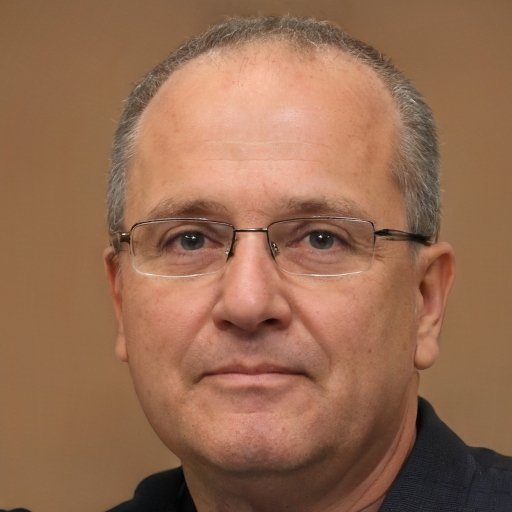
Jeffrey Villarreal is a licensed Damage Restoration Expert with over 20 years of specialized experience in disaster recovery and property mitigation. As a seasoned industry authority, Jeffrey has spent two decades mastering the technical science of environmental safety, providing property owners with the authoritative guidance and technical precision required to navigate complex restoration projects with absolute confidence.
𝗖𝗲𝗿𝘁𝗶𝗳𝗶𝗰𝗮𝘁𝗶𝗼𝗻𝘀: Jeffrey is master-certified by the IICRC in Water Damage Restoration (WRT), Applied Structural Drying (ASD), Mold Remediation (AMRT), Fire and Smoke Restoration (FSRT), and Odor Control (OCT).
𝗙𝗮𝘃𝗼𝗿𝗶𝘁𝗲 𝗣𝗮𝘀𝘁𝗶𝗺𝗲: An enthusiast of restoration in all forms, Jeffrey enjoys rebuilding vintage engines and long-distance cycling, hobbies that reflect the mechanical precision and endurance he brings to every job site.
𝗕𝗲𝘀𝘁 𝗣𝗮𝗿𝘁 𝗼𝗳 𝘁𝗵𝗲 𝗷𝗼𝗯: He finds the most fulfillment in providing families with immediate peace of mind, knowing his work transforms a site of devastation back into a safe, healthy, and comfortable home.