Hollister, MO · Taney County
Roof Leak Water Removal in Hollister, MOStructural Drying Services & Attic Water Extraction
When rain gets into a Hollister attic, roof leak water removal means emergency roof tarping, attic water extraction and structural drying services.
Answered 24/7
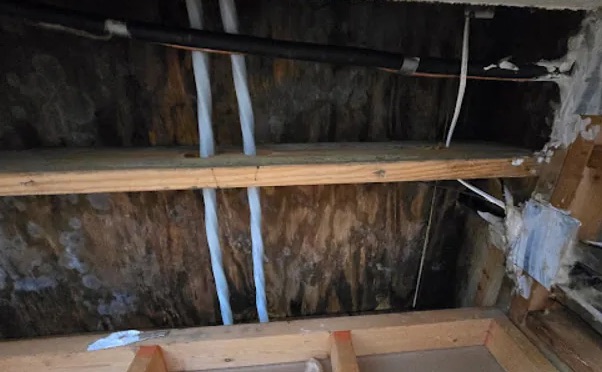
Roof Leak Water Removal for Hollister Homes
A roof leak rarely stays in one spot. Rain soaks the decking, runs along rafters, pools on the ceiling drywall and can drip into walls before a stain shows in the room below.
Roof leak water removal is available in Hollister and nearby Branson, Forsyth and Reeds Spring. The pros tarp the opening if needed, extract the water and dry the attic framing and ceiling drywall.
Roof Leak Water Removal Work in Hollister
Structural Drying Services
Drying a roof leak means drying wood, not just air. The pros track moisture in the sheathing and framing and adjust the setup until the numbers drop.
Attic Water Extraction
Water that pools on attic floors, vapor barriers or ceiling drywall is pulled out with wet vacuums and portable extractors before it soaks through to the room below.
Emergency Roof Tarping
When shingles are torn or a branch has punched a hole, the pros cover the opening with a weighted or battened tarp before they start drying the attic.
Wet Contents Protection
Furniture, rugs and boxes under the leak are moved, blocked up or covered. Wet items are listed and photographed before they are dried or set aside.
Ceiling Water Damage Cleanup
Ceiling cleanup covers the drywall, texture and any wet insulation resting on it. Readings decide whether a panel can be dried in place or must be replaced.
When a Roof Leak Needs Water Removal
Wet or Flattened Insulation
Insulation that is matted, stained or damp to the touch in the attic means rain is getting past the roof deck.
Musty Smell After Rain
A damp, musty smell that gets stronger after storms often means insulation in the attic is staying wet.
Damp Baseboards on Exterior Walls
Wet or swelling baseboards under a ceiling stain mean water has traveled down the wall cavity from the attic.
Daylight Through the Roof Deck
Light showing through the decking from inside the attic marks a gap where rain can come straight in.
How Roof Leak Water Removal Works in Hollister
Step 1: Protect the Rooms Below
Furniture and belongings under the leak are moved or covered, and floors are protected before any ceiling work begins.
Step 2: Drain and Open the Ceiling
Water trapped above the ceiling is drained through a small hole, and soft drywall is removed to reach the wet cavity.
Step 3: Dry Walls and Framing
Wall cavities under the leak are checked and dried along with the joists and top plates the water ran across.
Step 4: Document for the Claim
Photos, moisture logs and a list of removed materials are put together for you to share with your insurer.
Where Roof Leaks Start in Hollister
Damaged or Missing Shingles
Wind, age and impact lift or tear shingles and leave the underlayment exposed, so rain soaks straight into the decking.
Open Roof Valleys
Valleys carry the most water on a roof. Worn or poorly sealed valleys let that concentrated flow into the decking.
Cracked Vent Boots
The rubber collars around plumbing vents dry out and split with age, letting rain drip down the pipe into the attic.
Clogged Gutters
Leaves and debris in gutters make water back up at the roof edge, where it seeps under shingles and into the soffit and walls.
Roof Leak Water Removal for Homes and Businesses in Hollister
Residential Roof Leak Water Removal
In Hollister, a roof leak in a home usually means a wet attic, a stained bedroom or hallway ceiling and soaked insulation. The pros dry each layer and photograph the damage for your claim.
Commercial Roof Leak Water Removal
On commercial buildings with flat roofs, water can spread across a drop ceiling before it shows. The pros remove wet ceiling tiles, extract the water and dry the space around business hours.
DIY Steps and Their Limits After a Roof Leak in Hollister
Take photos and video of the ceiling, attic and wet belongings before anything is moved or thrown out. Your insurer will want them for the claim.
Pricing Roof Leak Water Removal in Hollister
The cost of roof leak water removal in Hollister depends on how much of the attic and ceiling got wet, how much insulation must come out and how many days drying takes.
Emergency Tarping
If the roof needs a tarp before drying can start, the materials and labor for that step add to the bill.
Insulation Removal
Bagging and hauling soaked insulation takes labor, and the attic needs new insulation once the framing is dry.
Size of the Wet Area
The square footage of wet attic, ceiling and wall sets how much equipment is needed and how long it runs.
Does Insurance Cover Roof Leak Water Removal?
Coverage often depends on what caused the leak. Storm damage is more likely to be covered than a leak from shingles that wore out over years.
Why Professional Roof Leak Water Removal Pays Off
Safe Attic Work
The pros know how to move through an attic on the framing and handle wet ceilings without bringing them down.
Finding Hidden Water
Thermal cameras and moisture meters find wet insulation and wall cavities that are not visible from the room below.
Records for Your Claim
Photos, readings and a materials list give your adjuster a clear picture of what the roof leak damaged.
Emergency Attic Water Removal in Hollister
Wet insulation and a stained ceiling after last night's rain? Call (479) 370-1500 so the attic can be dried before the drywall has to come down.
Call Now (479) 370-1500Local Roof Leak Water Removal Coverage for Hollister
Each place listed below has its own page with local details.
- Roof Leak Water Removal in Branson
- Roof Leak Water Removal in Forsyth
- Roof Leak Water Removal in Reeds Spring
- Roof Leak Water Removal in Shell Knob
- Roof Leak Water Removal in Green Forest
- Roof Leak Water Removal in Berryville
- Roof Leak Water Removal in Harrison
- Roof Leak Water Removal in Ozark
- Emergency Damage Restoration in 65672
- Storm Damage Restoration in 65672
- Water Damage Restoration in 65672
- Water Extraction Service in 65672
- Water Leak Detection in 65672
- Water Removal Service in 65672
- Emergency Damage Restoration in 65673
- Storm Damage Restoration in 65673
Common Questions After a Roof Leak
Does a stained ceiling always need to be replaced?
No. If moisture readings show the drywall is firm and dries out, it can often stay and be primed and painted. Soft or sagging sections are replaced.
What tools help find a hidden roof leak?
Moisture meters, thermal cameras and a careful look at the attic decking help the pros spot wet areas that are not visible from below.
Why does wet insulation have to come out?
Wet insulation stays damp for a long time, holds water against the ceiling and framing, and stops insulating. Removing it lets the attic dry.
What happens after the water is removed?
Drying equipment runs and the pros take readings until the attic and ceiling are dry. Then the roofer and drywall repairs can go ahead.
How soon should water removal start after a roof leak?
As soon as possible. Wet drywall and insulation can start to grow mold in 24 to 48 hours, and a ceiling holding water can sag and fall.