
Trusted by 165+ Homeowners
Why Do I Need A Professional For Sewage?
- Over 168 5-Star Reviews
- Free Estimates and Quotes
- 100% Satisfaction Guaranteed
- Child, Family & Pet Safe Steps
- 24-Hour Emergency Service
- Fully Licensed & Insured

You absolutely need a professional for sewage cleanup because it’s a serious biohazard.
DIY cleanup attempts can expose you and your family to dangerous pathogens and lead to long-term health issues and property damage.
TL;DR:
- Sewage backup is a dangerous biohazard requiring professional handling.
- Professionals have specialized equipment and training for safe and effective cleanup.
- DIY attempts pose severe health risks from contaminated water and bacteria.
- Proper containment, disinfection, and disposal are critical to prevent further contamination.
- Calling experts ensures your home is safely restored and protected from future issues.
Why Do I Need a Professional for Sewage?
Sewage backups can be one of the most unsettling and potentially dangerous property damage scenarios you’ll face. It’s not just a messy inconvenience; it’s a serious health hazard. When black water from sewage lines contaminates your home, it brings a cocktail of bacteria, viruses, and other harmful microorganisms. Trying to tackle this yourself can put you and your loved ones at risk.
The Dangers Lurking in Sewage Water
Sewage water is far from just dirty water. It’s considered a category 3 water loss, meaning it’s heavily contaminated. This type of water can contain E. coli, Salmonella, Hepatitis A, and countless other pathogens. These microscopic invaders can cause immediate illness and long-term health problems if not properly addressed. It’s why understanding the risks of contaminated water is so important.
Serious Health Risks
Exposure to sewage can lead to a range of illnesses, from gastrointestinal issues like vomiting and diarrhea to more severe infections. Skin contact can cause rashes and infections. Inhaling contaminated air, especially during cleanup, can lead to respiratory problems. These are not minor concerns. Many experts say that attempting safe cleanup after sewage without the right gear is nearly impossible and can lead to serious health risks.
Why Professionals Are Essential for Sewage Cleanup
Professional restoration companies have the training, equipment, and protective gear to handle sewage contamination safely and effectively. They understand the science behind disinfection and containment. This ensures that not only is the visible mess cleaned up, but also that hidden contamination is neutralized.
Specialized Equipment and Training
Restoration professionals use industrial-grade water extractors, air movers, and dehumidifiers to dry out affected areas thoroughly. They also use specialized cleaning agents and disinfectants that are far more potent than anything available to consumers. Their training covers identifying all affected materials, proper containment procedures, and safe disposal methods. This meticulous approach is key to a complete restoration.
Containment is Key
One of the biggest challenges in sewage cleanup is preventing the spread of contamination. Professionals use containment barriers to isolate the affected area. This stops airborne contaminants and prevents the spread of bacteria to unaffected parts of your home. Without proper containment, a small problem can quickly become a much larger one.
When DIY is Simply Not an Option
While you might be tempted to save money by cleaning up a sewage backup yourself, it’s a decision that often leads to greater expense and risk down the line. The materials affected by sewage may require professional assessment to determine if they can be saved or must be discarded. For instance, some carpets might be salvageable, while others are too contaminated. You might wonder, can I save my carpet after a sewage leak? Professionals can give you the honest answer.
What About Belongings?
Items like upholstered furniture, area rugs, and even some types of flooring can absorb sewage. While some items might be restorable with professional cleaning, many are not. Professionals can assess the damage and advise on the best course of action, whether it’s deep cleaning or safe disposal. They know safe cleanup after sewage for your cherished possessions.
The Long-Term Impact of Improper Cleanup
If sewage isn’t cleaned and dried properly, it can lead to mold growth and structural damage. Mold spores can spread quickly, creating another health hazard and requiring extensive remediation. Lingering odors can also be a persistent problem, making your home feel unpleasant and potentially impacting its resale value. Getting it right the first time is always the best strategy.
Hidden Dangers and Odors
Even after the visible mess is gone, invisible contamination can remain. Bacteria and viruses can linger in porous materials like drywall, wood, and insulation. This can lead to persistent, unpleasant odors that are difficult to eliminate without professional deodorization techniques. These issues are part of the factors that affect pricing for a thorough job.
What to Do Immediately After a Sewage Backup
The very first step is to ensure everyone’s safety. If the sewage is actively flowing, turn off the main water supply if possible. Avoid entering flooded areas without proper protective gear. Open windows to ventilate the space, but only if outdoor air quality is good and it won’t spread contamination further indoors. Then, it’s time to call for help.
Safety First, Always
Your immediate priority should be to remove people and pets from the affected area. Do not touch contaminated items or water with bare hands. If you need to move something, wear heavy-duty rubber gloves and boots. Remember, the goal is to contain the situation until experts can arrive. Do not wait to get help.
The Professional Restoration Process
When you call a professional restoration service, they will typically follow a structured process. This involves assessing the damage, setting up containment, extracting water, drying the structure, cleaning and disinfecting, and finally, deodorizing and restoring your property. This systematic approach ensures nothing is missed.
Step-by-Step Restoration
Professionals begin by performing a thorough inspection and moisture reading to understand the full extent of the water damage. They will then set up containment zones to prevent cross-contamination. Water extraction is followed by the use of high-powered air movers and dehumidifiers to dry the structure completely. Disinfection and sanitization are critical steps to kill harmful pathogens. Finally, they address any lingering odors and begin the reconstruction or repair process.
Protecting Your Investment
Investing in professional sewage cleanup protects your home, your health, and your peace of mind. It’s about more than just cleaning; it’s about restoring your home to a safe and healthy condition. For situations involving sewage backup, it’s always best to call a professional right away.
A Checklist for Sewage Emergencies
- Assess the immediate safety of yourself and your family.
- Turn off water supply if safe to do so.
- Ventilate the area if possible without spreading contamination.
- Avoid contact with sewage water and contaminated materials.
- Contact a professional restoration service immediately.
- Document the damage for insurance purposes.
Making an Informed Decision
Understanding the risks and the professional process can help you make the right choice when faced with a sewage backup. While the cost of professional services is a consideration, it’s important to weigh it against the potential health risks and long-term damage from a DIY approach. Consider the what drives repair costs; often, it’s the specialized labor and equipment needed for these hazardous situations.
Conclusion
Dealing with a sewage backup is a stressful and potentially hazardous event. The presence of dangerous pathogens makes DIY cleanup an unsafe and often ineffective option. Professionals at Rogers Damage Restoration Brothers possess the specialized knowledge, equipment, and protective measures necessary to safely and thoroughly clean, disinfect, and restore your home. By entrusting the job to experts, you ensure your property is not only cleaned but also returned to a healthy, safe living environment, preventing further damage and protecting your family’s well-being. It’s a critical step to act before it gets worse.
What are the main dangers of sewage water?
Sewage water is heavily contaminated with bacteria, viruses, and other pathogens like E. coli and Salmonella. Exposure can cause immediate illness, skin infections, and respiratory problems. It’s a serious biohazard that requires careful handling by trained professionals.
Can I clean up sewage with household cleaning products?
Household cleaners are generally not strong enough to effectively kill the dangerous pathogens found in sewage. Professional cleaning agents are specifically designed for biohazard remediation and are essential for proper disinfection.
How quickly does mold grow after a sewage backup?
Mold can begin to grow within 24 to 48 hours if moisture is not removed from building materials. Professional drying and dehumidification are crucial to prevent mold growth after a sewage incident.
Will my insurance cover sewage cleanup?
Coverage varies depending on your insurance policy. Standard policies often exclude damage from sewer backups unless you have purchased specific sewer backup or water damage endorsement. It is best to review your policy or contact your insurance provider.
How do professionals remove sewage odors?
Professionals use specialized deodorizing agents and equipment, such as ozone generators or thermal foggers, to neutralize odor-causing molecules. Simply masking the smell with air fresheners is not effective for sewage odors.
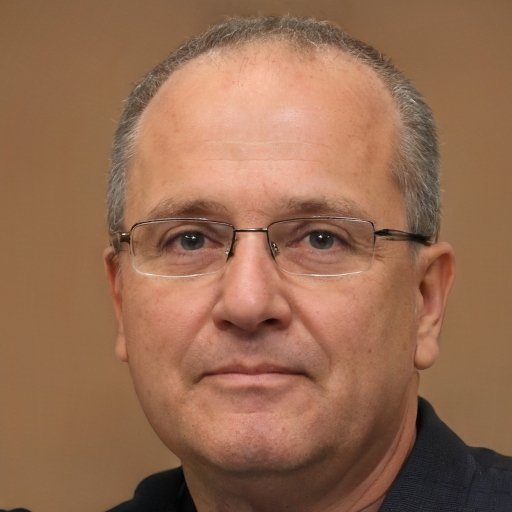
Jeffrey Villarreal is a licensed Damage Restoration Expert with over 20 years of specialized experience in disaster recovery and property mitigation. As a seasoned industry authority, Jeffrey has spent two decades mastering the technical science of environmental safety, providing property owners with the authoritative guidance and technical precision required to navigate complex restoration projects with absolute confidence.
𝗖𝗲𝗿𝘁𝗶𝗳𝗶𝗰𝗮𝘁𝗶𝗼𝗻𝘀: Jeffrey is master-certified by the IICRC in Water Damage Restoration (WRT), Applied Structural Drying (ASD), Mold Remediation (AMRT), Fire and Smoke Restoration (FSRT), and Odor Control (OCT).
𝗙𝗮𝘃𝗼𝗿𝗶𝘁𝗲 𝗣𝗮𝘀𝘁𝗶𝗺𝗲: An enthusiast of restoration in all forms, Jeffrey enjoys rebuilding vintage engines and long-distance cycling, hobbies that reflect the mechanical precision and endurance he brings to every job site.
𝗕𝗲𝘀𝘁 𝗣𝗮𝗿𝘁 𝗼𝗳 𝘁𝗵𝗲 𝗷𝗼𝗯: He finds the most fulfillment in providing families with immediate peace of mind, knowing his work transforms a site of devastation back into a safe, healthy, and comfortable home.