Lincoln, AR · Washington County
Basement Water Damage Restoration in Lincoln, ARBasement Floor Water Removal & Basement Sewer Backup Cleanup
Basement Water Damage Restoration in Lincoln includes emergency basement flood cleanup, basement sewer backup cleanup and basement wall drying.
Answered 24/7
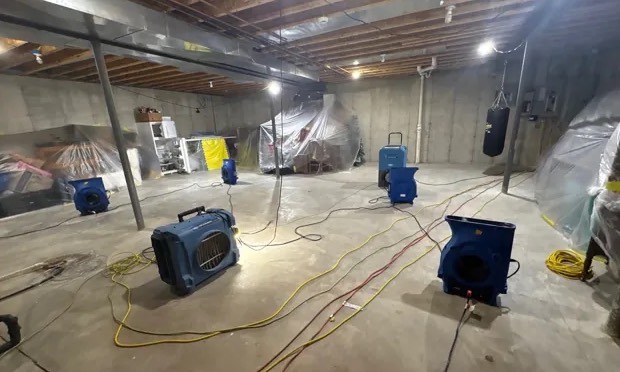
Expert Basement Water Damage Restoration Serving Lincoln
In a Lincoln home with a basement and a sump pump, a pump that fails during heavy rain lets water rise fast. Furnaces, water heaters, washers and stored belongings all sit at floor level and take the damage first.
Homes in Lincoln and nearby Prairie Grove, Westville and Farmington with basements deal with seepage, plumbing leaks and sewer backups. Help with basement water damage restoration covers pumping, removal of wet materials and drying of walls and concrete.
Basement Water Damage Restoration Services in Lincoln
Basement Floor Water Removal
A slab can look dry on top while still holding water. Moisture readings show when it is ready for new flooring.
Basement Sewer Backup Cleanup
After a sewer backup, cleanup and disinfection come before drying, so contaminated surfaces are not left in place.
Basement Drying Services
Air movers and dehumidifiers are placed to dry walls, framing and the slab. Below-grade rooms dry slowly, so readings are taken daily.
Basement Mold Prevention
Fast extraction and drying are the main ways to limit microbial growth in a basement. Surfaces that stayed wet can be treated once dry.
Basement Wall Drying
Finished basement walls hide wet insulation and framing. Removing the bottom of the drywall lets air reach the cavity.
Warning Signs You Need Basement Water Damage Restoration
Warped or Buckling Basement Floors
Laminate, wood or vinyl flooring that buckles or lifts in the basement has water underneath.
Damp or Musty Odors
A damp, earthy or musty smell in the basement often means hidden moisture in walls, carpet or the slab.
Sump Pump Failure or Overflow
A sump pump that runs constantly, fails to start or lets the pit overflow puts the basement at risk.
Mold on Surfaces
Dark spots on drywall, framing or stored boxes mean the area has stayed wet for days.
How Basement Water Damage Restoration Works in Lincoln
Step 1: Initial Assessment and Water Removal
The source and type of water are identified, and standing water is removed right away.
Step 2: Focused Drying of Materials
Walls, framing and the slab are dried with directed airflow, with wet insulation removed.
Step 3: Air Quality Management
Air scrubbers filter dust and odors from removal work while drying continues.
Step 4: Documentation for Restoration
Photos, readings and a list of removed materials are prepared for insurance and rebuilding.
Frequent Sources of Water Damage in Lincoln
Failed or Clogged Drain Tile
Clogged or collapsed drain tile around the foundation lets water build up against the walls.
Water Heater or Appliance Leaks
Water heaters, washers and utility sinks in the basement can leak or fail without warning.
High Water Table and Hydrostatic Pressure
A high water table pushes groundwater up through the slab and into the joints between wall and floor.
Window Well Flooding
Window wells without drains or covers fill with rain and leak through basement windows.
Home and Business Basement Water Damage Restoration in Lincoln
Residential Basement Water Damage Restoration
Finished basements used as living space need carpet, pad and lower drywall checked carefully. Soaked materials are removed so the walls and slab can dry.
Commercial Basement Water Damage Restoration
Businesses with below-grade storage need inventory moved out of the water quickly. Wet stock is separated and documented for insurance.
DIY vs. Professional Basement Water Damage Restoration in Lincoln
Fans alone can push damp air into the rest of the house. Basement drying needs dehumidifiers to pull the moisture out of the air and the concrete.
Factors Affecting Basement Water Damage Restoration Cost in Lincoln
Sewage cleanup, finished walls, storm-night calls and damaged appliances all add to the total for basement water damage restoration in Lincoln.
Drying Time Required
Basements dry slowly, and longer drying means more equipment days and monitoring visits.
Water Category
Clean water costs less to handle than sewage, which needs protective gear, removal and disinfection.
Affected Square Footage
Larger basements need more extraction, more drying equipment and more days of drying time.
Does Insurance Cover Basement Water Damage Restoration?
Flood damage from rising outside water usually needs flood insurance. Water from inside the home, like a broken pipe, is more often covered.
The Value of Local Pros for Basement Water Damage Restoration in Lincoln
Detailed Documentation
Photos, readings and drying logs are kept to support your insurance claim.
Water Type Handling
Clean water, gray water and sewage are each handled with the right protection and removal steps.
Structural Integrity Assessment
Walls, stairs and framing are checked for damage before work begins in the basement.
Lincoln Emergency Basement Water Damage Restoration Response
A flooded basement damages walls, furnaces, water heaters and belongings quickly. Call (479) 370-1500 for basement water damage restoration in Lincoln at any hour.
Call Now (479) 370-1500Regions Served for Basement Water Damage Restoration Near Lincoln
Help with basement water damage restoration is also available in communities near Lincoln, including Prairie Grove, Westville and Farmington, for flooded basements and sewer backups.
- Basement Water Damage Restoration in Prairie Grove
- Basement Water Damage Restoration in Westville
- Basement Water Damage Restoration in Farmington
- Basement Water Damage Restoration in West Fork
- Basement Water Damage Restoration in Stilwell
- Basement Water Damage Restoration in Fayetteville
- Basement Water Damage Restoration in Siloam Springs
- Basement Water Damage Restoration in Tontitown
- Emergency Damage Restoration in 72744
- Storm Damage Restoration in 72744
- Water Damage Restoration in 72744
- Water Extraction Service in 72744
- Water Leak Detection in 72744
- Water Removal Service in 72744
Basement Water Damage Restoration Common Questions Answered
What is the purpose of basement wall drying?
To remove water from drywall, insulation, framing and concrete so the walls can be repaired without trapping moisture.
What causes the most common below-grade leaks in homes?
Sump pump failures, foundation cracks, clogged drain tile, sewer backups and burst pipes in the basement ceiling.
Why is quick action important for below-grade flood restoration?
Basements dry slowly, so every hour of standing water adds days of drying and more material to replace.
Why is dehumidification so important after basement water removal?
Basements hold moisture in the air and concrete. Without dehumidifiers, walls and framing stay damp long after the water is gone.
How soon should I call for basement water extraction after a leak?
Right away. Water wicks up drywall and soaks framing within hours, and below-grade spaces are slow to dry.