Fayetteville, AR · Washington County
Basement Water Damage Restoration in Fayetteville, AREmergency Basement Flood Cleanup & Basement Water Extraction
Basement Water Damage Restoration in Fayetteville includes emergency basement flood cleanup, basement sewer backup cleanup and basement wall drying.
Answered 24/7
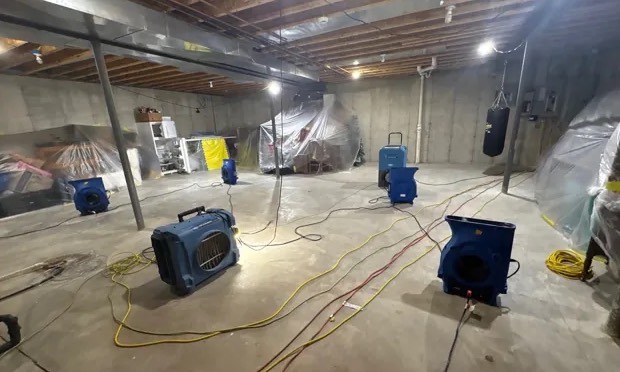
Basement Water Damage Restoration for Fayetteville Homes
Basements collect water from every direction: rain seeping through walls, groundwater pushing up through the slab, sewage backing up through floor drains and pipes bursting overhead. In a Fayetteville home with a basement or below-grade room, any of these can leave inches of water on the floor.
Homeowners in Fayetteville can call (479) 370-1500 day or night when water is rising in the basement. Service also covers Farmington, Springdale and Tontitown, with the same pumping and drying steps.
Complete Basement Water Damage Restoration for Fayetteville
Emergency Basement Flood Cleanup
Emergency cleanup starts with stopping the source where possible, checking for electrical hazards and pumping out the water.
Basement Water Extraction
Basement water is removed before drying starts, because every gallon left behind keeps the walls and air damp.
Basement Sewer Backup Cleanup
After a sewer backup, cleanup and disinfection come before drying, so contaminated surfaces are not left in place.
Basement Wall Drying
Concrete and block walls are dried with directed airflow and dehumidifiers, and checked with meters until readings drop.
Basement Drying Services
Air movers and dehumidifiers are placed to dry walls, framing and the slab. Below-grade rooms dry slowly, so readings are taken daily.
Indicators for Basement Water Damage Restoration in Fayetteville
Sewage Odors or Backups
Sewage smells or water coming up through a floor drain mean the sewer line is backing up.
Mold on Surfaces
Dark spots on drywall, framing or stored boxes mean the area has stayed wet for days.
Rusted Appliances or Pipes
Rust on the water heater, furnace base or pipes points to repeated moisture or past flooding.
Wet or Stained Basement Walls
Dark, wet patches or tide lines on basement walls show where water seeped in or wicked up.
How Basement Water Damage Restoration Works in Fayetteville
Step 1: Initial Assessment and Water Removal
The source and type of water are identified, and standing water is removed right away.
Step 2: Focused Drying of Materials
Walls, framing and the slab are dried with directed airflow, with wet insulation removed.
Step 3: Air Quality Management
Air scrubbers filter dust and odors from removal work while drying continues.
Step 4: Documentation for Restoration
Photos, readings and a list of removed materials are prepared for insurance and rebuilding.
Frequent Sources of Water Damage in Fayetteville
Faulty Basement Waterproofing
Old or failed waterproofing on foundation walls lets water through during wet weather.
Sump Pump Mechanical Failure
A sump pump that fails, loses power or is too small lets groundwater rise into the basement.
Water Heater or Appliance Leaks
Water heaters, washers and utility sinks in the basement can leak or fail without warning.
High Water Table and Hydrostatic Pressure
A high water table pushes groundwater up through the slab and into the joints between wall and floor.
Both Residential & Commercial Basement Water Damage Restoration in Fayetteville
Residential Basement Water Damage Restoration
Homeowners with older basements may have seepage that returns with each storm. Drying fixes the current damage, and the source is noted for a waterproofing contractor.
Commercial Basement Water Damage Restoration
Apartment and condo buildings with shared basements or lower levels may have laundry and storage below grade. Each area is extracted, dried and recorded for the building manager.
Basement Water Damage Restoration vs. DIY: When to Call the Pros
If a small leak left a puddle on bare concrete, a wet vac and a dehumidifier may be enough. Call local water removal pros if water reached drywall, carpet or framing, or if it came from a sewer drain.
Factors Affecting Basement Water Damage Restoration Cost in Fayetteville
In Fayetteville, basement jobs often run longer than upper-floor jobs because concrete dries slowly. Equipment days make up much of the bill.
Emergency Service
Night, weekend and storm calls can cost more than a scheduled visit.
Material Saturation
Finished basements with carpet, drywall and insulation take more removal work than bare concrete.
Affected Square Footage
Larger basements need more extraction, more drying equipment and more days of drying time.
Does Insurance Cover Basement Water Damage Restoration?
Coverage for groundwater seepage and backups varies widely between policies. Ask your adjuster whether your policy includes it before work begins.
Benefits of Local Pros for Basement Water Damage Restoration in Fayetteville
Water Type Handling
Clean water, gray water and sewage are each handled with the right protection and removal steps.
Detailed Documentation
Photos, readings and drying logs are kept to support your insurance claim.
Water Extraction First
Water is removed from floors, carpet and pad before drying starts, which shortens drying time.
24/7 Emergency Basement Water Damage Restoration for Fayetteville
Storm night, weekend or holiday, local water removal pros handle flooded basements in Fayetteville. Call (479) 370-1500 to get the pumps running and the water out.
Call Now (479) 370-1500Basement Water Damage Restoration Near Fayetteville: Areas Served
Besides Fayetteville, the pros handle basement pumping, drying and dehumidification in nearby Farmington, Springdale and Tontitown.
- Basement Water Damage Restoration in Farmington
- Basement Water Damage Restoration in Springdale
- Basement Water Damage Restoration in Tontitown
- Basement Water Damage Restoration in Elkins
- Basement Water Damage Restoration in West Fork
- Basement Water Damage Restoration in Prairie Grove
- Basement Water Damage Restoration in Lowell
- Basement Water Damage Restoration in Cave Springs
- Emergency Damage Restoration in 72701
- Storm Damage Restoration in 72701
- Water Damage Restoration in 72701
- Water Extraction Service in 72701
- Water Leak Detection in 72701
- Water Removal Service in 72701
- Emergency Damage Restoration in 72702
- Storm Damage Restoration in 72702
FAQ for Basement Water Damage Restoration in Fayetteville
What is the purpose of basement wall drying?
To remove water from drywall, insulation, framing and concrete so the walls can be repaired without trapping moisture.
Should I try below-grade waterproofing myself after flooding?
Sealing a small crack can be a DIY job, but drying must come first, and larger waterproofing work should go to a contractor.
How long does below-grade drying take after a flood?
Often several days or longer, since concrete and cool basement air dry slowly. Daily readings show progress.
Can wet basement drywall be saved after water damage?
Sometimes, if the water was clean and removed quickly. Soaked or sewage-contaminated drywall is cut out above the water line.
What causes the most common below-grade leaks in homes?
Sump pump failures, foundation cracks, clogged drain tile, sewer backups and burst pipes in the basement ceiling.